
Therapy for Gay Dads and Same-Sex Parents in Los Angeles, CA | David Strah, LMFT

Gay fatherhood is one of the most meaningful things a person can do. It’s also one of the most complicated. The emotional weight of getting there, the adjustment of actually being a parent, the relationship strain that can come after, the questions your kids will eventually ask, the looks from strangers at the park, the extended family that’s still catching up — all of it is real, and most of it goes unacknowledged in standard parenting resources.
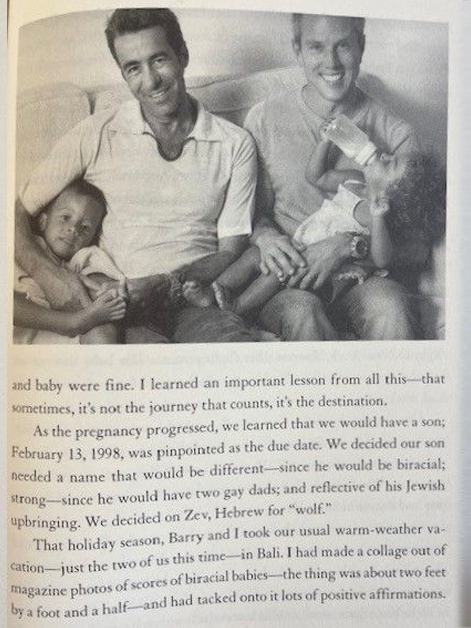
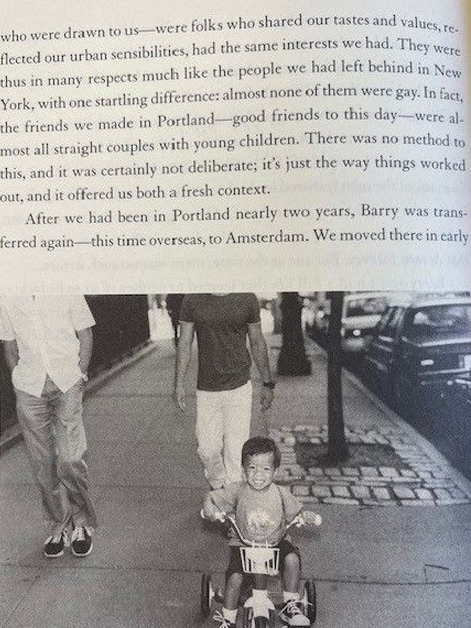
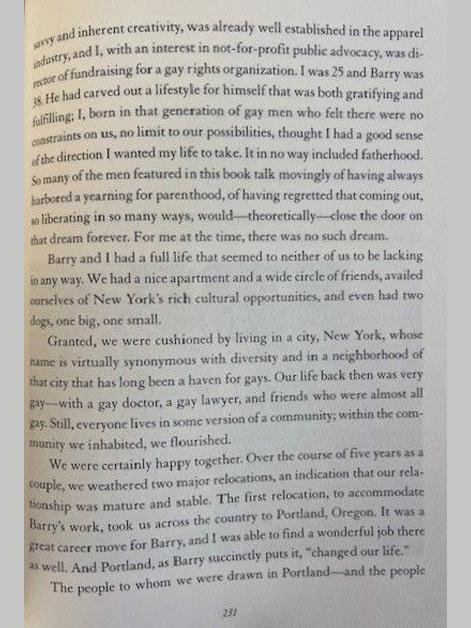
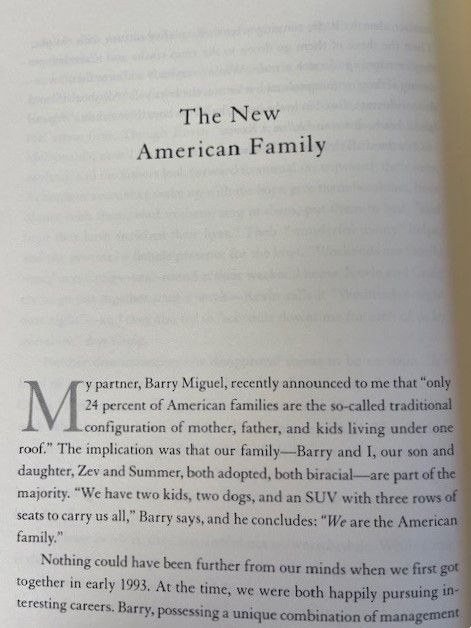
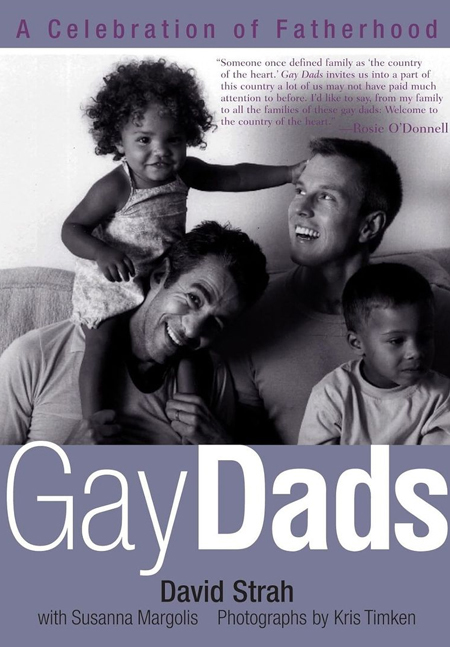
David Strah is a licensed Marriage and Family Therapist in Los Angeles, CA, and one of the few therapists in the country with this specific focus: gay dads, same-sex parents, and LGBTQ+ families navigating every stage of family life. He’s also the author of “Gay Dads: A Celebration of Fatherhood,” a widely recognized book featuring 24 gay-dad families across the United States, covering adoption, foster care, surrogacy, and co-parenting with women.
This isn’t a therapist who added “LGBTQ+ affirming” to his website. This is someone whose professional life is built around gay fatherhood.
Sessions are available in-person in Los Angeles and via telehealth throughout California, serving gay dads from West Hollywood, Silver Lake, Echo Park, Los Feliz, Santa Monica, Pasadena, Long Beach, and everywhere in between.
You Don’t Have to Explain Your Family Here
Here’s something gay dads hear a lot: “Any good therapist can help you.” That’s partially true. But there’s a difference between a therapist who is generally supportive and one who already understands the specific experience of building a family as a gay man.
You shouldn’t have to spend your sessions explaining surrogacy contracts, why you chose a known donor, what it feels like to be the non-biological parent, or why your mother still refers to your husband as your “friend.” A therapist who specializes in this work already knows the context. That changes everything about how sessions feel and how much ground you can actually cover.
David’s therapy practice in Los Angeles is built for gay fathers specifically. Whether you’re still planning your family or decades into parenting, sessions are grounded in real understanding of what your life actually looks like.
The Therapeutic Approaches Used
David draws on multiple evidence-based approaches and adapts them to what each person or couple actually needs:
Attachment-based therapy is central to the work, especially for new parents. How secure your own attachment history is shapes how you parent. Understanding this isn’t just academic — it directly affects the kind of parent you become and the relationship you build with your child.
Emotionally Focused Therapy (EFT) for couples helps identify the cycles you’re stuck in and address what’s actually driving the distance or conflict. It’s particularly useful for same-sex couples navigating role strain after kids arrive.
Narrative therapy helps you examine the stories you’ve been told about what gay fatherhood should look like, and write your own version instead.
Psychodynamic therapy explores how your own upbringing and family of origin affects your parenting, your relationship, and your sense of yourself as a father.
Cognitive Behavioral Therapy (CBT) addresses parenting anxiety, fear-based thinking, and the mental patterns that make the hard parts harder.
Trauma-informed care is woven throughout, particularly for fathers who carry unresolved experiences from their own childhood, their coming-out process, or the family-building journey itself.
Who This Practice Serves
David works with gay dads and same-sex parents at every stage, including:
- Gay men thinking about becoming fathers and working through the decision
- Prospective dads in the middle of a surrogacy or adoption process
- New gay dads adjusting to parenthood and everything it changes
- Established fathers dealing with parenting stress, burnout, or conflict
- Couples whose relationship has shifted since becoming parents
- Single gay dads navigating the emotional load alone
- Co-parenting arrangements with women, including both planned and complex situations
- Dads of children conceived via donor sperm or egg, working through disclosure questions
- Foster and foster-to-adopt parents in the LGBTQ+ community
- Gay fathers going through divorce or separation with children involved
What Brings Gay Dads to Therapy
No two dads show up for the same reason. But some things come up consistently.
The emotional weight of the family-building process
Getting to parenthood as a gay man is rarely simple. Surrogacy, adoption, donor conception, foster care — every path has its own emotional terrain. There’s paperwork and legal complexity, yes. But there’s also grief, fear, financial stress, and waiting. A lot of waiting. And through all of it, there often isn’t a built-in community of people who truly get it.
Therapy can be a place to process all of that in real time. The anxiety of a failed match, the complicated feelings when a surrogate becomes pregnant, the grief of a failed adoption, the joy mixed with exhaustion of finally bringing a child home. All of it belongs in the room.
Adjusting to a new identity as a dad
Becoming a father changes you. That’s true for anyone. But for gay men, there’s an added layer: this is often something you spent years not knowing if you’d get to have. When it actually happens, the emotional shift can be bigger than expected, and not always in the ways people talk about publicly.
Some dads feel pressure to seem grateful all the time. Others feel guilt about struggling. Some feel like they’re watching themselves from the outside, not fully believing this is their life. Therapy gives you a space to be honest about all of it, not just the parts you post about.
Relationship strain after kids
This is probably the most common reason couples come in. Two people who were solid before kids find themselves feeling like co-managers of a household rather than partners. Less connection, more logistics. More conflict about parenting decisions, roles, and who does what.
This happens in every family structure. In same-sex couples, it can carry extra weight, because there often aren’t clear cultural templates for how roles “should” work. You’re figuring it out as you go, which is both freeing and genuinely hard. Couples therapy for same-sex parents is something David does regularly and specifically.
The non-biological dad experience
If you’re the non-biological or non-gestational parent, your experience of parenthood can look different in ways that are rarely talked about. You may have bonded differently. You may face more questions from the outside world about your role. Legal protections matter more than they should. And sometimes, even inside the relationship, the biological parent’s connection to the child feels different in ways neither of you know how to talk about.
This is real and it’s worth working through with someone who understands it.
Questions your kids ask (and some you didn’t expect)
“Why do I have two dads?” “Where did I come from?” “Why do I have a different last name?” Kids ask direct questions. The answers matter. Therapy can help you think through how to talk to your children about their origins and family structure in ways that are age-appropriate, honest, and rooted in confidence rather than anxiety.
For dads whose children were conceived via donor sperm or egg, there’s the additional question of when and how to discuss donor conception. Most research suggests earlier is better, but what “earlier” looks like in practice is something worth thinking through.
Social stigma and community navigation
Los Angeles is generally a supportive city for LGBTQ+ families, but “generally supportive” doesn’t mean frictionless. There are schools with administrators who don’t quite know what to do with two dads. Extended family members who say the right words but make the holidays complicated. Strangers who ask intrusive questions at the grocery store. Moments in public where you notice people noticing you.
Most of the time, gay dads handle this well. But it adds up. Therapy gives you a place to put it down.
Parenting stress and burnout
Parenting is exhausting regardless of how your family was built. Gay dads often carry the added weight of being visible in a way straight parents aren’t, advocating for their kids in spaces that don’t always make it easy, and sometimes doing all of this without extended family support that others take for granted.
Burnout is real. It doesn’t mean you love your kids any less. It means you need support too.
Why David Strah Is Different
Most therapists who see gay dads do so as part of a general LGBTQ+ practice. David’s entire clinical focus is built around this population.
He’s a licensed Marriage and Family Therapist licensed by the California Board of Behavioral Sciences, with years of clinical experience working with gay fathers, same-sex couples, and LGBTQ+ families across Los Angeles. His LGBTQ+-affirmative training is ongoing, not a one-time certification.
His book, “Gay Dads: A Celebration of Fatherhood,” documented 24 real gay-dad families from across the United States, covering every major path to parenthood. Writing that book required years of deep engagement with gay fathers, their stories, their struggles, and what actually helped them build strong families. That experience informs every session.
Practical Details
In-person and telehealth: Sessions are available in-person in Los Angeles and via telehealth throughout California. Many gay dads across the state, including those outside LA who have trouble finding a therapist with this specific focus, choose to work with David via video.
Free initial consultation: Before committing to anything, you can schedule a brief call to ask questions and get a feel for whether this is the right fit.
Insurance and fees: [Insert specific insurance information here.] Sliding scale fees are available for those who need them.
Serving Los Angeles and beyond: West Hollywood, Silver Lake, Echo Park, Los Feliz, Koreatown, Hollywood, Mid-City, Santa Monica, Culver City, Downtown LA, Atwater Village, Burbank, Glendale, Pasadena, Long Beach, and all of greater Los Angeles.
Frequently Asked Questions
My partner and I are considering surrogacy. Is it too early to see a therapist?
It’s actually the ideal time. The surrogacy process involves more emotional complexity than most people anticipate going in — anxiety about the match, navigating the relationship with your surrogate, managing different timelines between partners, grief if something doesn’t work out, and the adjustment when it does. Having therapeutic support during the process, not just after, makes a significant difference. You don’t have to be struggling to benefit from it.
We’re both doing fine, but our relationship has felt more distant since our son was born. Is that worth coming in for?
Yes, and it’s very common. The shift from couple to parents changes the relationship in ways that catch a lot of people off guard, even in strong partnerships. Couples therapy during this phase often prevents a lot of damage that’s harder to repair later. You don’t need to be in crisis to start. In fact, the earlier you come in, the easier the work usually is.
I’m the non-biological dad and sometimes feel like I’m slightly outside my own family. Is that something you work with?
Absolutely. The non-biological parent experience in same-sex families is real and often goes unspoken. The bonding process can look different, the outside world may treat you differently, and within the relationship there can be subtle dynamics that neither partner quite knows how to name. This is something that comes up regularly in David’s practice and it’s worth addressing directly.
My kids are older and starting to ask questions about their donor or their surrogate. How do I handle this?
This is one of the most common things gay dads bring to sessions. Research on donor-conceived children and adoptees consistently shows that open, honest, age-appropriate conversation from an early age leads to better outcomes than delayed or withheld information. Therapy can help you think through what to say, how to say it at different ages, and how to handle questions you didn’t expect. There’s no single script, but there are approaches that work better than others.
I’m a single gay dad. Is this practice for me, or is it focused on couples?
Both. A significant portion of David’s individual therapy work is with single gay dads, including those parenting solo, those co-parenting with a woman, and those who became single parents after a relationship ended. The specific challenges of single gay fatherhood — the logistics, the emotional load, the lack of a partner to share it with — are things the practice is equipped to work with directly.
Do you work with gay dads who are also dealing with anxiety or depression, or is this only for parenting-specific issues?
Both, and they’re often connected. Parenting stress and identity shifts can trigger or intensify anxiety and depression. And ongoing anxiety or depression affects parenting. David works with the whole person, not just one slice of what’s going on. If you’re struggling with your mental health alongside your parenting experience, those threads get worked on together.
We adopted through foster care and our son has a trauma history. Can therapy help us as parents?
Yes. Parenting a child with a trauma history is its own particular challenge, and many foster and adoptive gay dads find themselves underprepared for it, not because they didn’t try, but because the support systems around this are limited. Therapy can help you understand your child’s behavior through a trauma lens, support your own emotional responses to it, and work on the relationship between you and your child. David’s trauma-informed training applies directly to this work.
Ready to Talk?
If you’re a gay dad or same-sex parent in Los Angeles and you’re looking for a therapist who actually understands your family, David Strah’s practice is worth a call.
Schedule your free consultation and start the conversation.